A career turning concern into action.

I’ve taken an unusual path—from law to music, film, social impact, advocacy, and civic participation.
Across those different worlds, one question has kept resurfacing: How do you turn what you care about into meaningful action?
That question has shaped more than two decades of social-impact work, more than 100 campaigns, and eventually my books Good Influence and Commit Together.

A career turning concern into action.

I’ve taken an unusual path—from law to music, film, social impact, advocacy, and civic participation.
Across those different worlds, one question has kept resurfacing: How do you turn what you care about into meaningful action?
That question has shaped more than two decades of social-impact work, more than 100 campaigns, and eventually my books Good Influence and Commit Together.

From law to music

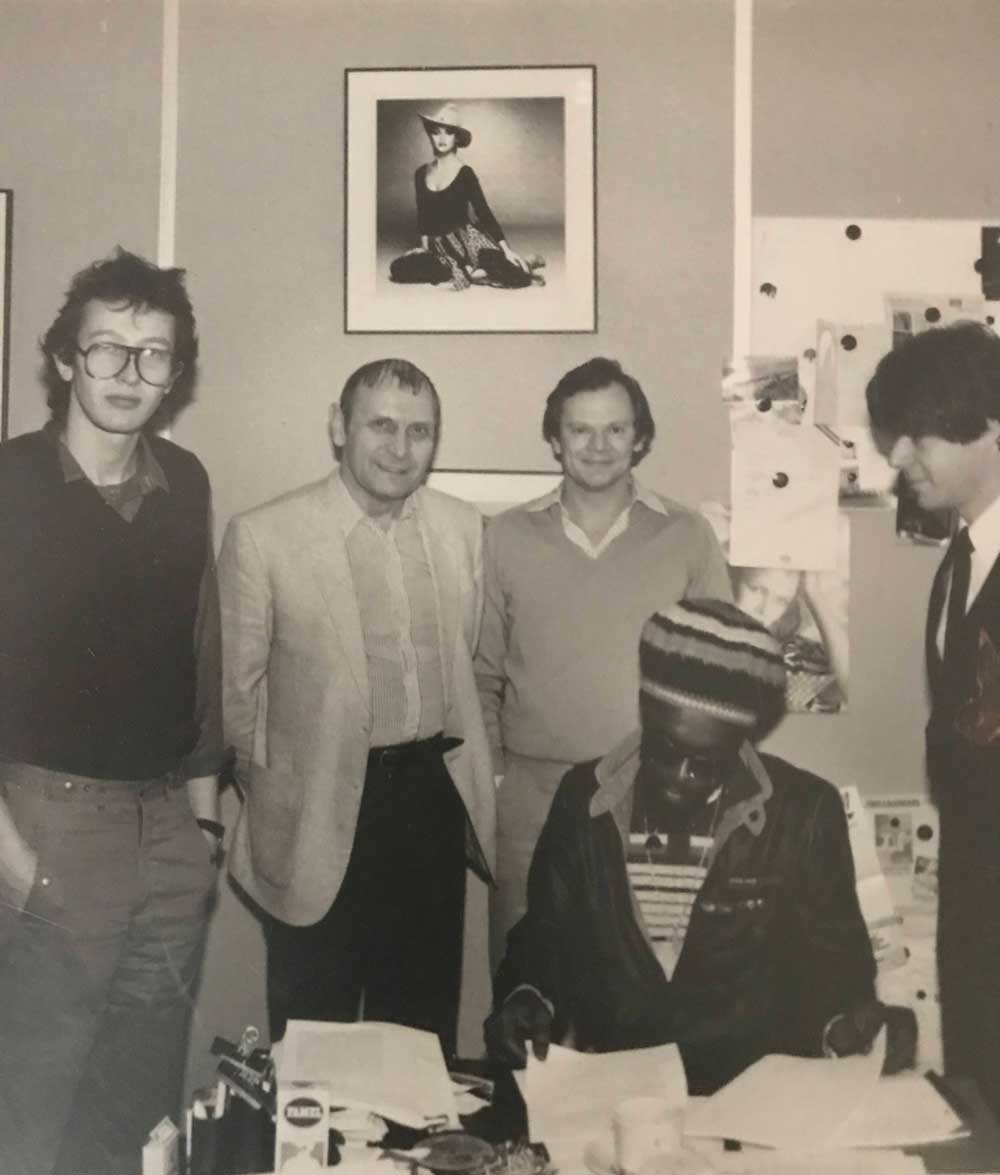
I trained as an attorney but moved into music and entertainment for twenty years  at Jive Records and Zomba Music Group

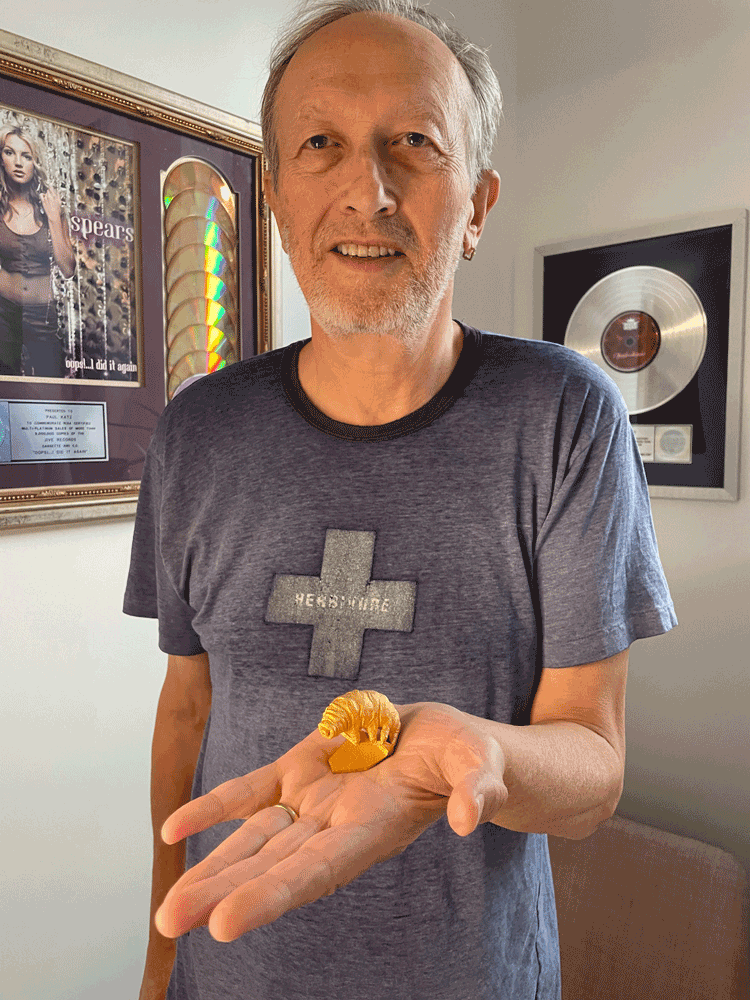
I worked with artists including A Tribe Called Quest, Britney Spears, Justin Timberlake, Backstreet Boys, P!nk, and Outkast.

This is an important part of the story because entertainment was where I first saw, at Live Aid, at scale, how culture, storytelling, and influential voices can capture attention and move people.

From music to film

In 2005 I founded Eye2Ear, overseeing music for studios including Summit, River Road and Participant Media.

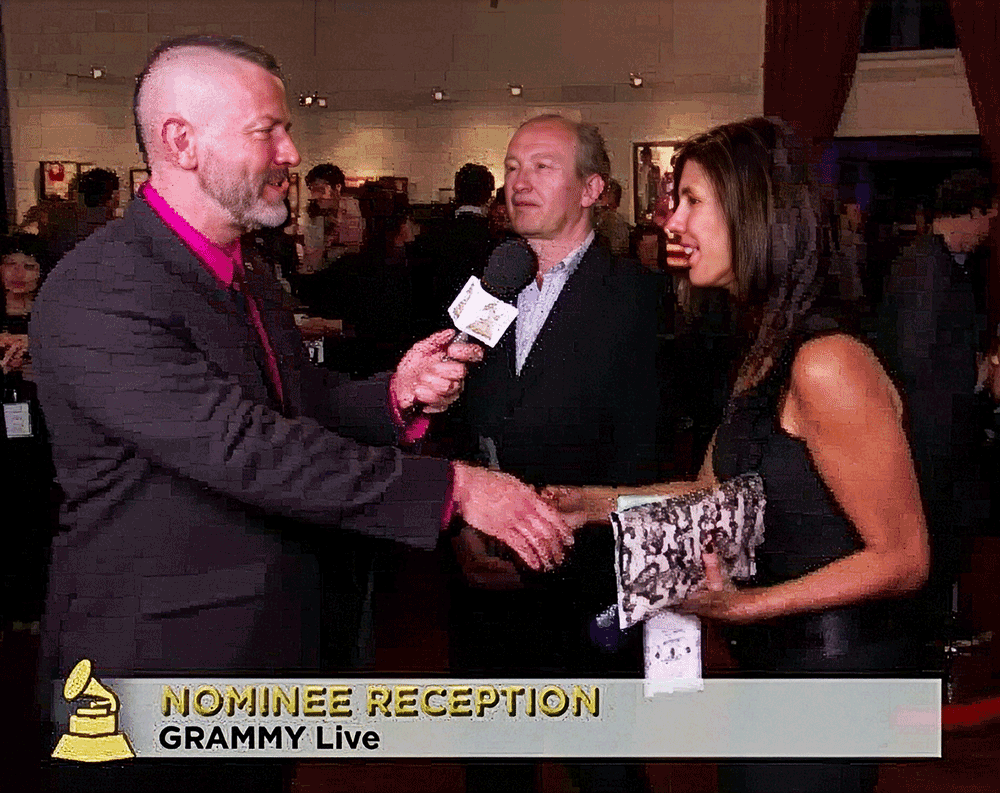
That work garnered me two Grammy nominations for the Twilight franchise, and I worked on Best Picture Oscar winners Green Book and 12 Years a Slave.

The point here isn’t simply to list credits. It’s what I learned from those years:

Culture doesn’t just reflect what people think. It can influence what people notice, discuss, and ultimately do.

Putting influence to work

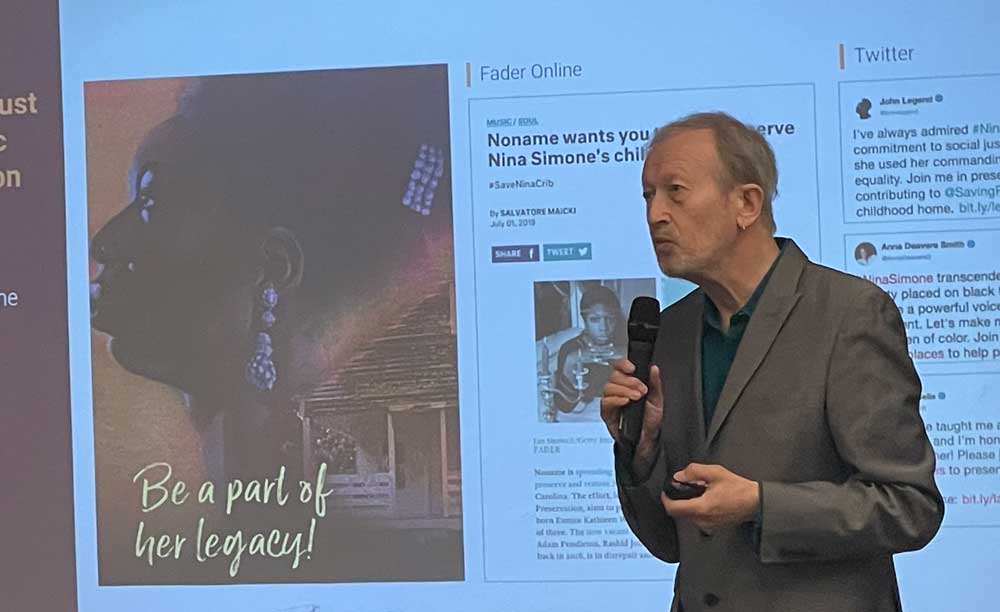
Also in 2005, I founded Entertain Impact, taking lessons from entertainment and applying them to social impact.

Over the next two decades, I lcreated executed or participated in more than 100 campaigns – national and international across education, healthcare, human rights, environmental issues and civic participation.

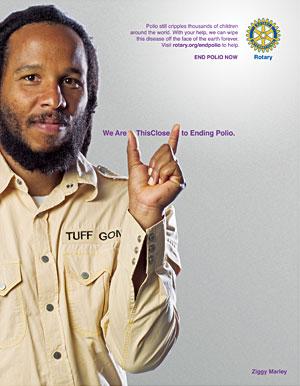
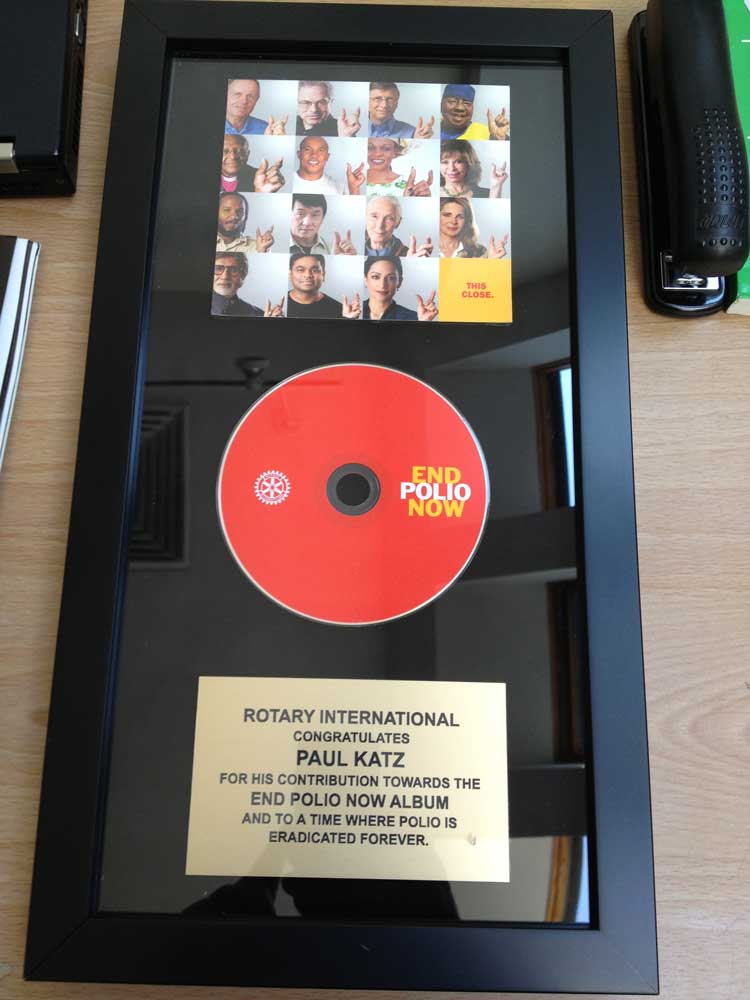
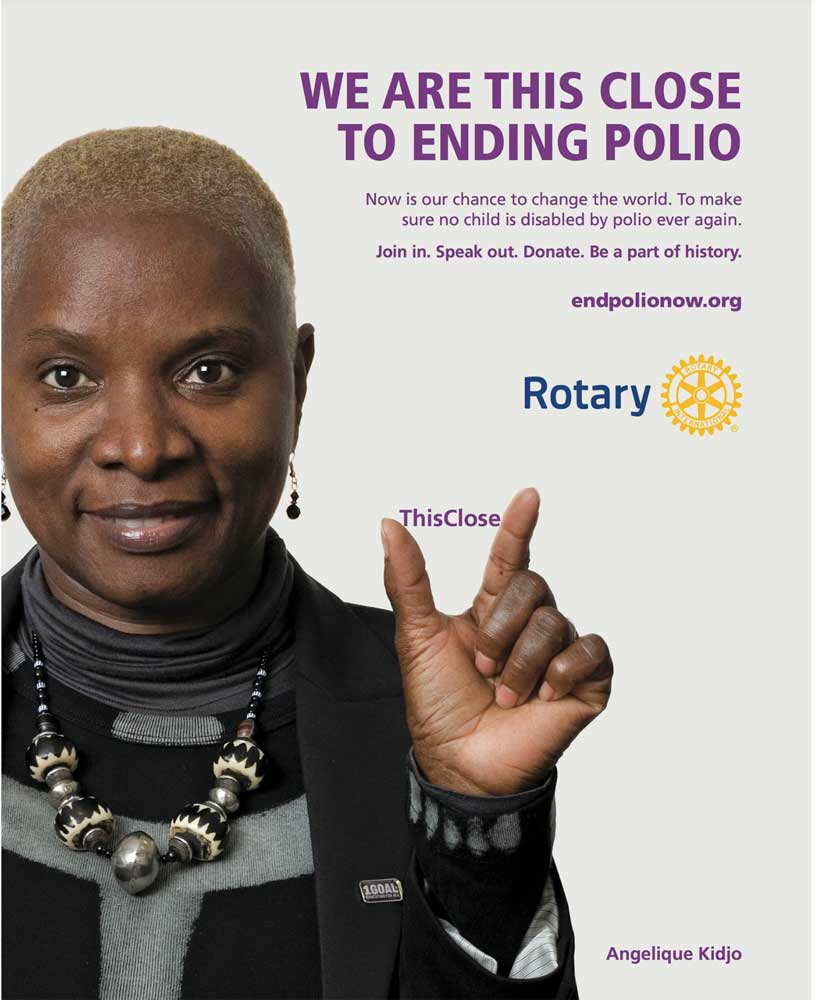
The work included organizations such as the Environmental Defense Fund, Bill & Melinda Gates Foundation, Rotary International, National Trust, Saint Damien Pediatric Hospital Haiti and Best Friends Animal Society.

From social impact to civic participation​

I served as Co-Chair of the Recording Academy’s Advocacy Committee, on its National Board of Trustees, and on the board of the human rights organization WITNESS.

In 2020, I founded the Entertain Impact Advocacy Alliance (EIAA), using digital-first campaigns to strengthen civic participation. Through No Votes Barred, we work with more than 40 community partners across Georgia, Arizona and North Carolina on voting education and access.

Today, EIAA is building Commit Together—a long-term effort to make civic participation easier to understand and act on. Through the book, the CommitTogether.org Action Platform, the app, and other practical tools, we help people find their way from concern to meaningful action.

A UK and US citizen, I’ve lived in New York City with my family for more than 40 years. My belief in American democracy—and the importance of participating in it—is at the heart of this work.

EXPLORE:
• COMMIT TOGETHER
• GOOD INFLUENCE
• MEDIA
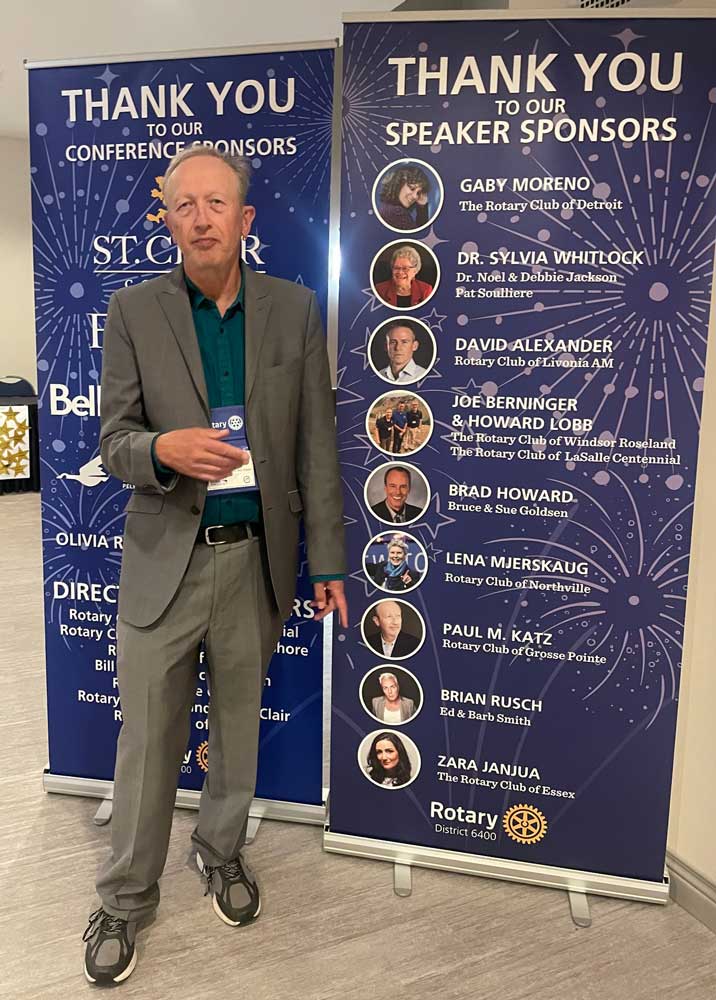
• SPEAKING

Want the Full Story?

Paul’s career spans law, music and entertainment, social impact, advocacy, and civic participation.

Paul M. Katz believes, and research shows, that one of the greatest barriers to civic participation isn’t apathy — it’s navigation.

Research consistently shows that tens of millions of Americans care deeply about their communities, democracy, and the future. They want to make a difference. They simply don’t know where to begin.

As the author of Commit Together: A Practical Guide to Reclaiming Democracy and founder of the nonprofit Commit Together initiative, Paul helps people move from concern to constructive action by connecting them with trusted, effective organizations and meaningful opportunities to engage.

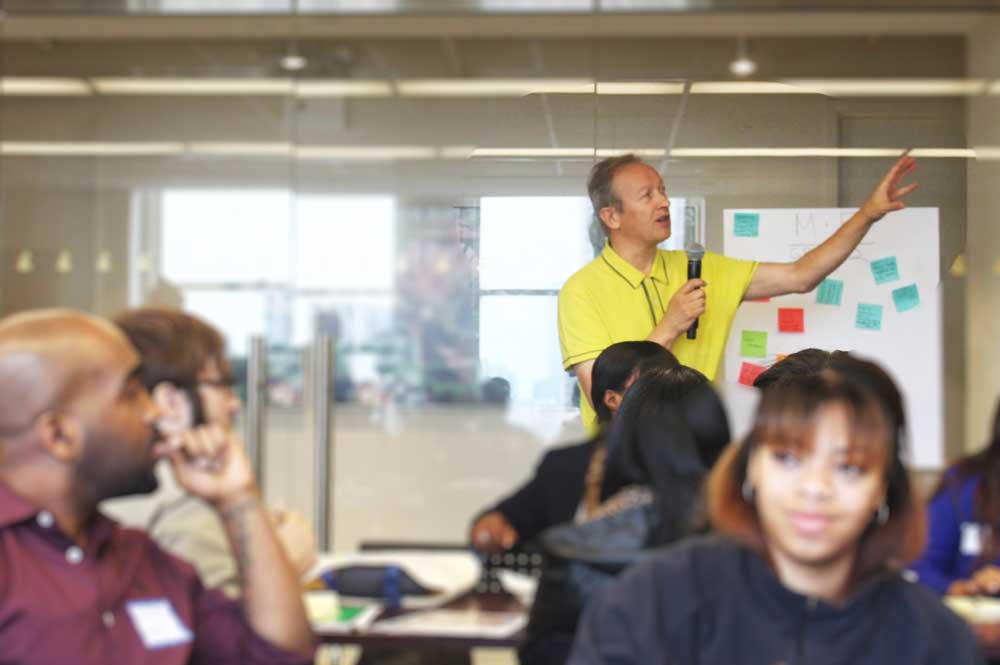
A social impact entrepreneur, civic participation guide, attorney, and multi-Grammy-nominated producer, Paul has spent more than two decades bringing together culture, philanthropy, nonprofits, business, and public policy to inspire measurable social change.

In 2005, he founded Entertain Impact, pioneering the field of “Cause Influence” at the nexus of philanthropy and entertainment and leading more than 100 national campaigns with organizations including the Bill & Melinda Gates Foundation, Rotary International, the Environmental Defense Fund, the National Trust, Saint Damien Pediatric Hospital Haiti, and Best Friends Animal Society. Working with Itzhak Perlman, Ziggy Marley, Angélique Kidjo, John Legend, Kevin Bacon, Lupita Nyong’o, Mark Ruffalo, Usher, Annie Leibovitz, Desmond Tutu, Beyoncé, Céline Dion, and Andra Day.

Paul also founded the Entertain Impact Advocacy Alliance (EIAA), a nonpartisan 501(c)(4) dedicated to expanding civic participation. Through #NoVotesBarred, EIAA has worked with more than 40 community partners to help eligible citizens with past conviction records understand their voting rights and re-enter civic life.

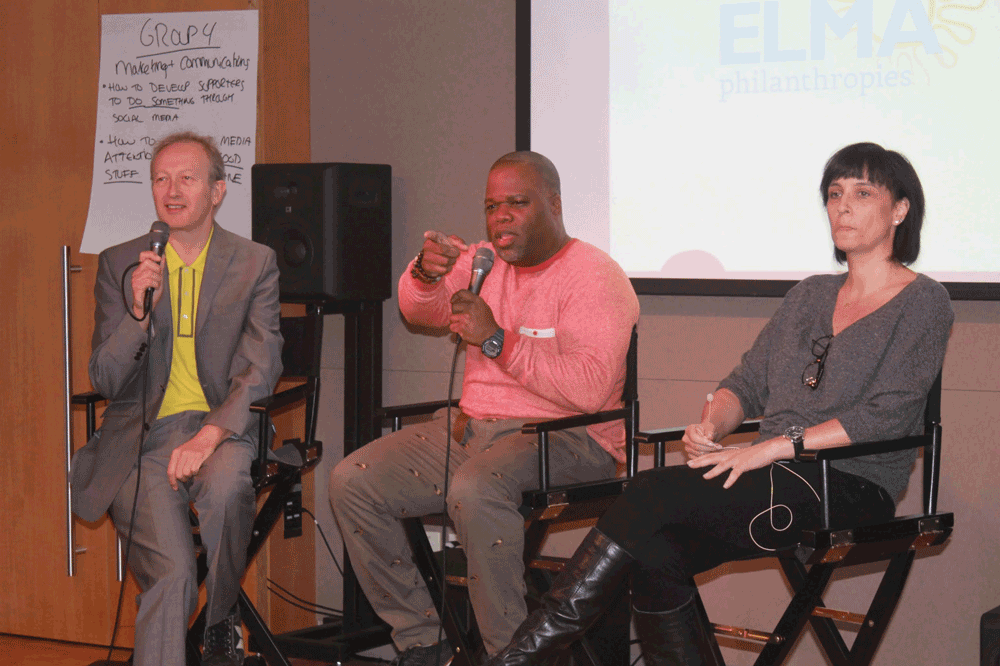
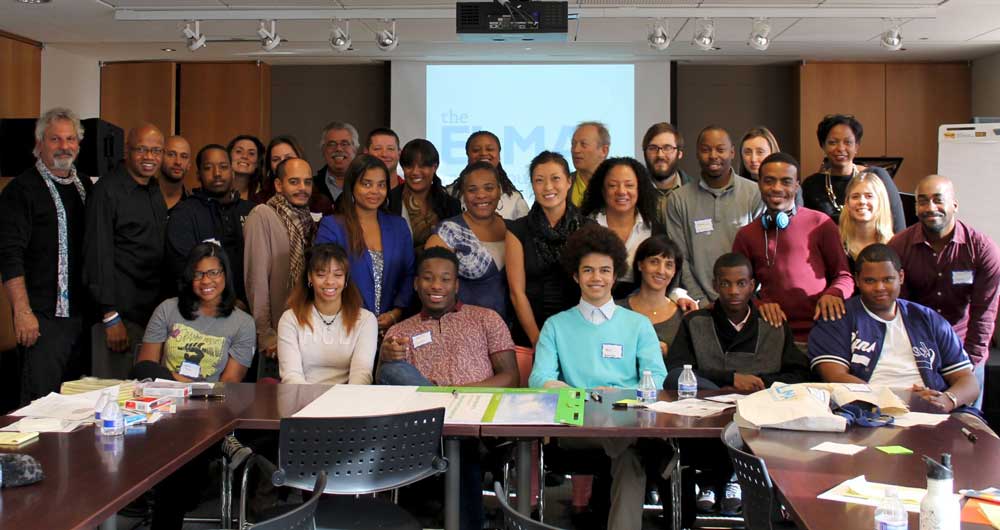
His leadership has included serving as Co-Chair of the Advocacy Committee of the Recording Academy, a member of its National Board of Trustees, a board member of WITNESS, and the ELMA Music Foundation U.S., and an advisor to the Greenburger Center for Social and Criminal Justice.

Earlier in his career, Paul was a multi-Grammy-nominated producer and senior executive at Jive Records, working with artists including A Tribe Called Quest, Britney Spears, Justin Timberlake, Backstreet Boys, P!nk, and Outkast. He later founded Eye2Ear, overseeing music for film projects including the Twilight franchise, Green Book, and 12 Years a Slave.

Paul is also the author of Good Influence: How to Engage Influencers for Purpose and Profit, a multiple award-winning #1 Amazon bestseller.

Today, his writing, speaking, and civic initiatives are focused on one simple idea: people care. The challenge isn’t apathy. It’s helping them find a place to start.